
Balinese Massage vs Ayurvedic Massage Which One Fits You Better
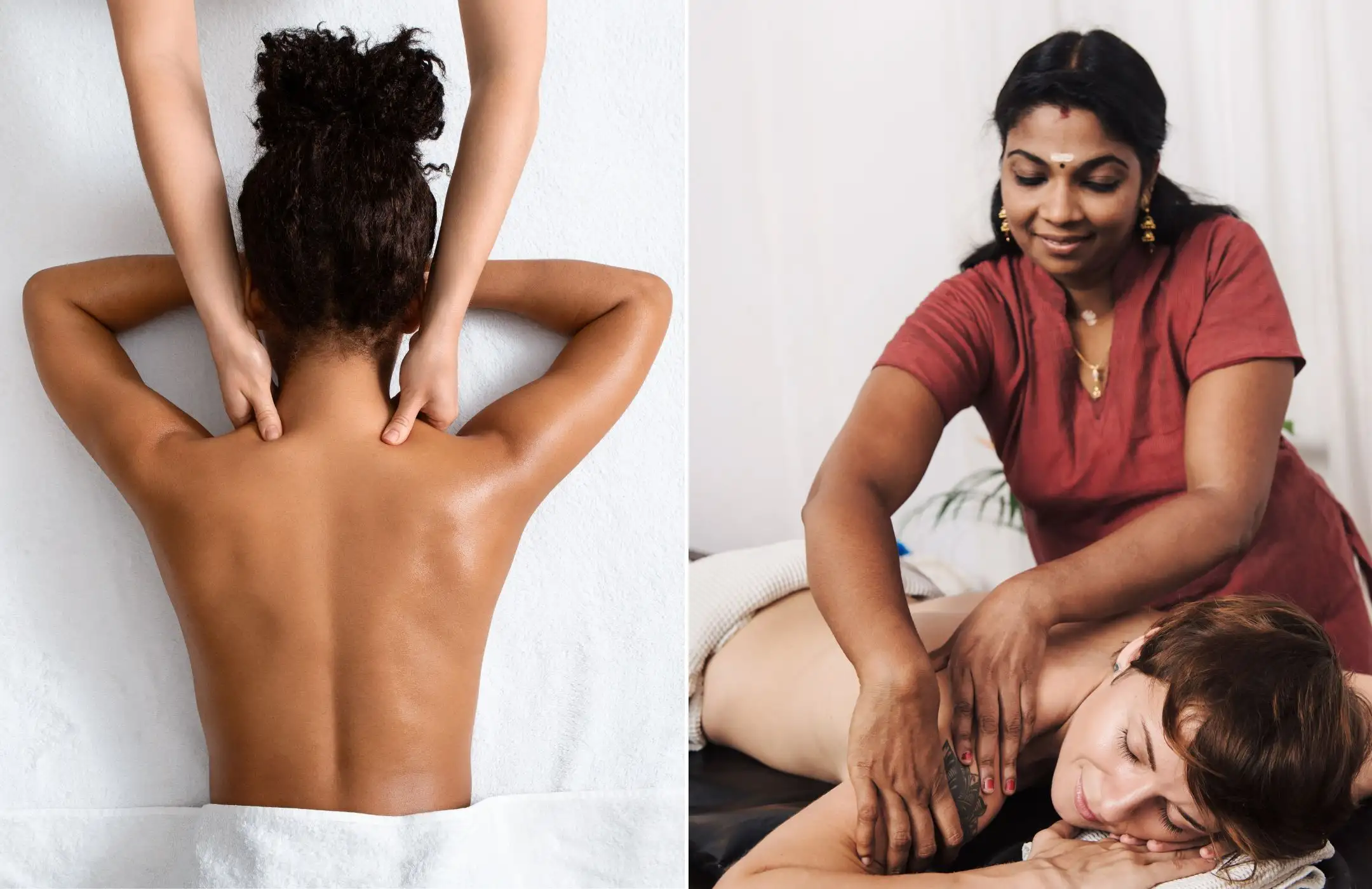
You open a spa menu in Ubud and see two treatments that both sound traditional, relaxing, and connected to Asian wellness: Balinese massage and Ayurvedic massage.
At first, the difference may not be obvious. Both may use warm oil, rhythmic movements, and full-body techniques. However, the treatment style, rhythm, cultural background, and overall experience can feel quite different.
A Balinese massage in Ubud is often chosen by travelers who want a familiar full-body treatment after sightseeing, walking, or a busy Bali itinerary. An Ayurvedic massage in Ubud may appeal more to guests who are curious about Indian wellness traditions and prefer warm oil with continuous, flowing movements.
Neither is automatically better. The right option depends on the pressure you enjoy, the type of experience you want, how much time you have, and how your body feels that day.
This massage comparison will help you understand the main differences before making your reservation.
What Is a Balinese Massage?
Balinese massage is a traditional massage Bali visitors often choose as their introduction to local spa culture.
The treatment commonly combines full-body oil massage with flowing strokes, rhythmic pressure, gentle stretching, and focused work across different areas of the body. It is generally designed to create a balanced experience rather than relying on only one technique.
At Bliss Ubud Spa, the Balinese Relaxing Massage uses natural massage oil in a private treatment room. Guests can choose between a 60-minute and a 90-minute session.
The 60-minute option is suitable when you want a complete massage that still fits easily into a travel itinerary. The 90-minute option gives the therapist more time to work at a slower pace and spend additional attention on areas such as the back, shoulders, legs, or feet.
A Balinese massage may suit you when:
- You are booking your first massage in Bali
- You want a traditional full-body oil massage
- Several parts of your body feel tired after traveling
- You prefer a combination of massage and light stretching
- You want a straightforward treatment without a long ritual
- You have between one and two hours available
It is one of the easiest treatment styles to choose when you are unsure where to begin.
What Is an Ayurvedic Massage?
Ayurveda is a traditional wellness system with roots in India. Ayurvedic spa treatments can include different oils, techniques, rituals, and treatment sequences, so the term does not refer to only one type of massage.
For travelers looking for a full-body Ayurvedic massage, Abhiyangga is one of the most accessible options.
The Abhiyangga Massage at Bliss Ubud Spa is a 60-minute treatment using warm herbal oil and rhythmic, flowing movements across the body. Compared with a standard relaxing massage, the warm oil and continuous rhythm are important parts of the experience.
Other Ayurvedic-inspired treatments may involve different processes. Shirodara, for example, includes a continuous stream of warm herbal oil over the forehead, while Chakra Dhara is a longer ritual with its own treatment flow.
This means guests should always read the complete description rather than assuming all Ayurvedic treatments are the same.
An Ayurvedic massage may suit you when:
- You are interested in traditional Indian wellness practices
- You enjoy warm-oil treatments
- You prefer a continuous, rhythmic massage style
- You want something different from a standard Bali massage
- You are comfortable with oil being an important part of the experience
- You want a calm wellness treatment without expecting medical results
Ayurvedic massage should be understood as an experience-led traditional treatment, not as a guaranteed solution for health conditions.
The Main Difference in Massage Techniques
The clearest difference between Balinese and Ayurvedic massage is how the techniques are combined.
Balinese massage usually brings several elements into one session. These may include long oil strokes, rhythmic pressure, kneading, and gentle stretching. The therapist can move between techniques depending on the body area and your pressure preference.
This creates a varied full-body massage that often feels familiar to international spa guests.
Abhiyangga massage generally places more emphasis on warm herbal oil and repeated flowing movements. The rhythm may feel more continuous and uniform, giving the treatment a distinctive traditional Ayurvedic character.
In simple terms:
- Balinese massage offers more technique variation
- Abhiyangga emphasizes warm oil and rhythmic flow
- Both are full-body oil treatments
- Both can be adjusted for comfort
- Neither treatment should feel unnecessarily painful
Guests who like variety may prefer Balinese massage. Guests who enjoy warm oil and a steady rhythm may be more interested in Abhiyangga.
Pressure and Rhythm
Pressure is one of the most important details to discuss before any Ubud massage.
Balinese massage can usually be adapted from lighter to firmer pressure. Some guests choose medium pressure for general relaxation, while others request more focused work around the shoulders, back, or legs.
The pressure may change throughout the session because different techniques are used across different parts of the body.
Abhiyangga is often experienced as more rhythmic and flowing. Rather than making strong pressure the central feature, the treatment focuses on warm oil and repeated movements.
However, individual experiences can vary depending on the therapist, your preference, and how the spa performs the treatment.
Before the session, tell the therapist:
- Whether you prefer light, medium, or firmer pressure
- Which areas feel tired
- Which areas should be avoided
- Whether you have sensitive skin or oil allergies
- Whether you are comfortable with stretching
- Whether you have recent injuries or medical concerns
A strong massage is not automatically a better massage. Pressure should remain comfortable and adjustable.
What Is the Purpose of Each Treatment?
Many spa descriptions make unrealistic promises about detoxification, circulation, healing, or medical recovery. A more useful way to compare these massages is to focus on the experience they are designed to provide.
Balinese massage is often chosen for:
- A complete full-body massage
- Relaxation after sightseeing or travel
- A traditional Balinese spa experience
- Attention to several tired areas
- A combination of oil massage and gentle stretching
Abhiyangga massage is often chosen for:
- An introduction to Ayurvedic bodywork
- A warm herbal-oil experience
- Continuous rhythmic movements
- A calm traditional wellness ritual
- An alternative to conventional massage styles
Both treatments may leave guests feeling relaxed, refreshed, and more comfortable after a busy day. Results differ between individuals, and neither treatment should be presented as a cure for pain, injury, stress disorders, sleep problems, or medical conditions.
Which Treatment Is Better After Exploring Ubud?
After a long day of walking, temple visits, waterfalls, rice terraces, shopping, or sitting in traffic, Balinese massage may be the more straightforward choice.
Its combination of full-body oil massage, rhythmic pressure, and gentle stretching works well for general travel fatigue. It is also easy to understand for guests who have never tried a traditional treatment before.
The 60-minute option can fit between daytime activities and dinner. The 90-minute version may be better when several areas feel tired and you want a less rushed session.
Abhiyangga can also be booked after exploring Ubud, especially when you prefer warmth and continuous movements rather than changing techniques.
Your decision should not be based only on which treatment sounds more exotic. Consider which technique and rhythm feel more suitable for you.
Which Treatment Is Better for Wellness Travelers?
Travelers who are already interested in Ayurveda, yoga, meditation, or traditional wellness practices may naturally be more curious about Abhiyangga.
The treatment offers an accessible introduction to Ayurvedic massage without requiring a long multi-stage package. Its 60-minute duration also makes it easier to add to a wellness itinerary.
Guests wanting a deeper Ayurvedic experience may later explore Shirodara or Chakra Dhara. These treatments have different processes and longer durations, so they should not be treated as interchangeable with Abhiyangga.
Balinese massage remains suitable for wellness travelers who prefer a local Balinese treatment with broader technique variation.
Choosing a traditional treatment does not require believing exaggerated spiritual or medical claims. You can select it based on the process, cultural background, oil, rhythm, and overall spa experience.
How Long Should You Book?
Recommended duration depends on what you want from the session.
- Choose 60 Minutes When
- You want a complete but time-efficient massage
- You have other activities planned
- This is your first treatment
- You want to try Abhiyangga
- You feel generally tired but do not need a longer session
Both the Balinese Relaxing Massage and Abhiyangga Massage are available as 60-minute experiences at Bliss Ubud Spa.
Choose 90 Minutes When
- You want a slower treatment pace
- Several areas need attention
- You have completed a trek or physically active day
- You want more time to settle into the treatment
- You prefer not to rush before your next plan
The Balinese Relaxing Massage is available in a 90-minute option. Bliss Ubud Spa also offers longer Ayurvedic treatments with different flows, but these should be chosen based on the specific experience rather than duration alone.
Remember to allow extra time for arrival, consultation, changing, showering, refreshments, and transportation.
A Quick Balinese and Ayurvedic Massage Comparison
Choose Balinese massage when you want:
- Traditional Balinese bodywork
- Varied massage techniques
- Gentle stretching
- Adjustable pressure
- A 60- or 90-minute option
- A practical post-activity massage
Choose Abhiyangga massage when you want:
- Traditional Ayurvedic bodywork
- Warm herbal oil
- Continuous rhythmic movements
- A calm 60-minute wellness ritual
- An introduction to Ayurveda
- Something different from a standard massage
Both can be suitable for solo travelers, couples, wellness guests, and visitors looking for a relaxing massage during their stay in Ubud.
Choose Based on Experience, Not Claims
Balinese massage and Ayurvedic massage offer two different ways to slow down during a Bali holiday.
Balinese massage is versatile, familiar, and connected to the local spa tradition. Abhiyangga offers a warm-oil experience with a more continuous Ayurvedic rhythm.
At Bliss Ubud Spa, both treatments are available in a peaceful natural setting with experienced therapists, private treatment spaces, welcome drinks, and complimentary pickup within the applicable Ubud area.
You do not need to choose the treatment with the biggest promise. Choose the one with the technique, rhythm, duration, and experience that feels right for you.


